Background
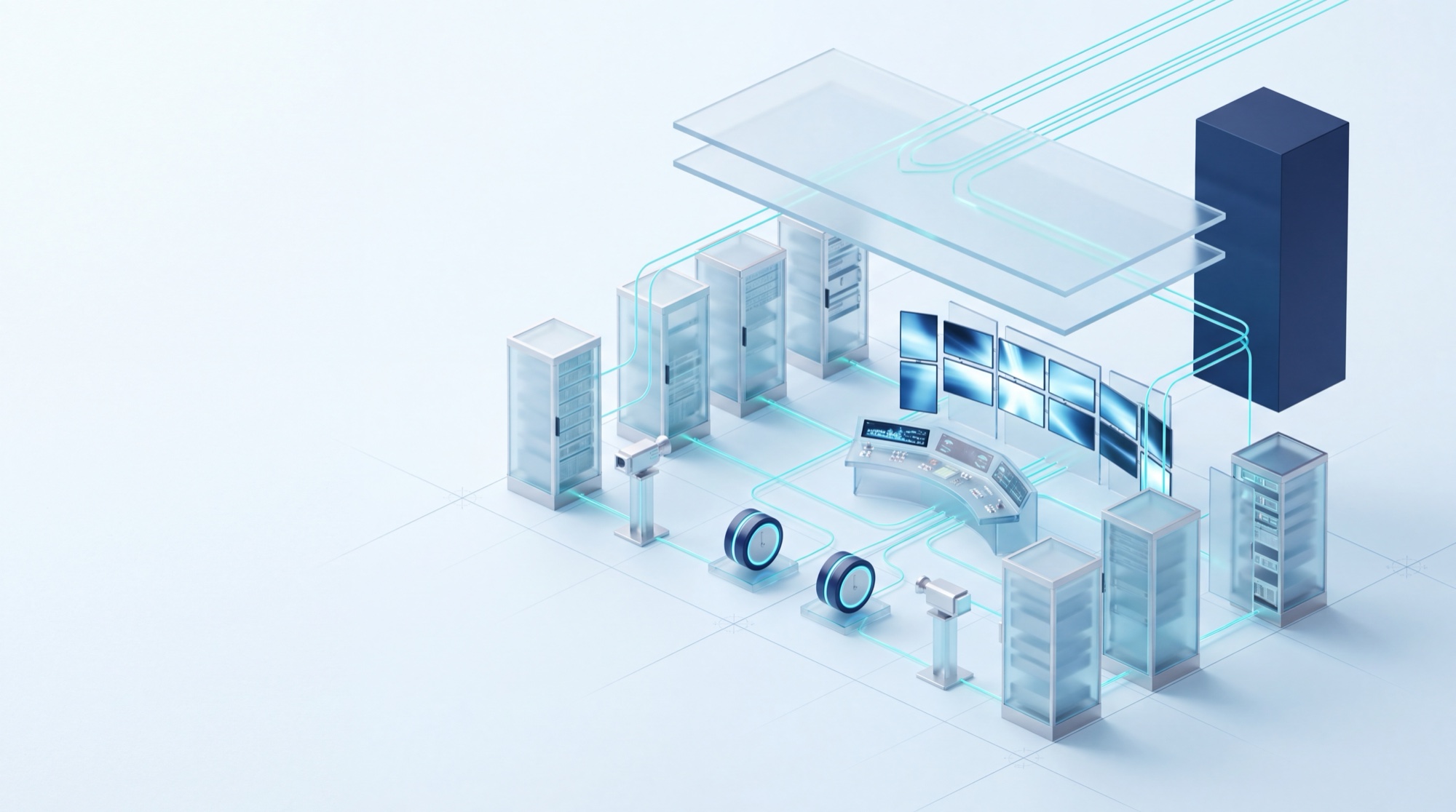
The U.S. Department of Health and Human Services produces its own television. Press conferences, advisory council meetings and addresses from the Secretary go out live from its Washington headquarters, to the press, the public and a workforce of about 74,000.
The engagement
HHS engaged Megsoft to run the modernization of its broadcast facility. Megsoft defined what had to be built, engineered the building around it, and directed the integrator that built it. Megsoft was the prime on both awards, April 2021 to October 2025.
Scale
The facility spans four production spaces in the Hubert H. Humphrey Building: the Main Studio, the Auditorium, the Great Hall and Room 800. Programs reach the public by live web stream, satellite and fiber to the Washington news feeds, and reach staff on the internal channel. One address to staff from the Great Hall has drawn more than 372,000 views on the HHS YouTube channel.
Before the program
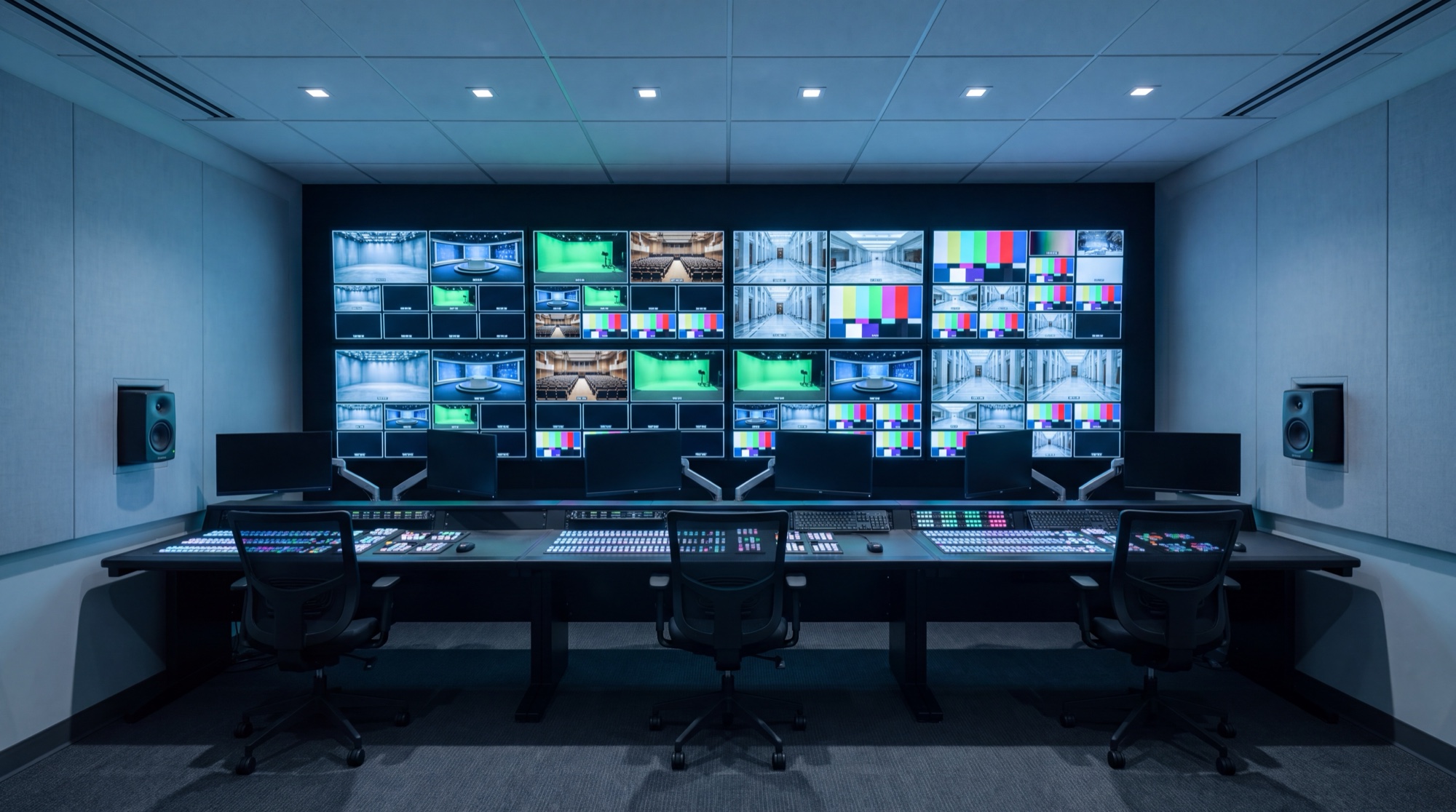
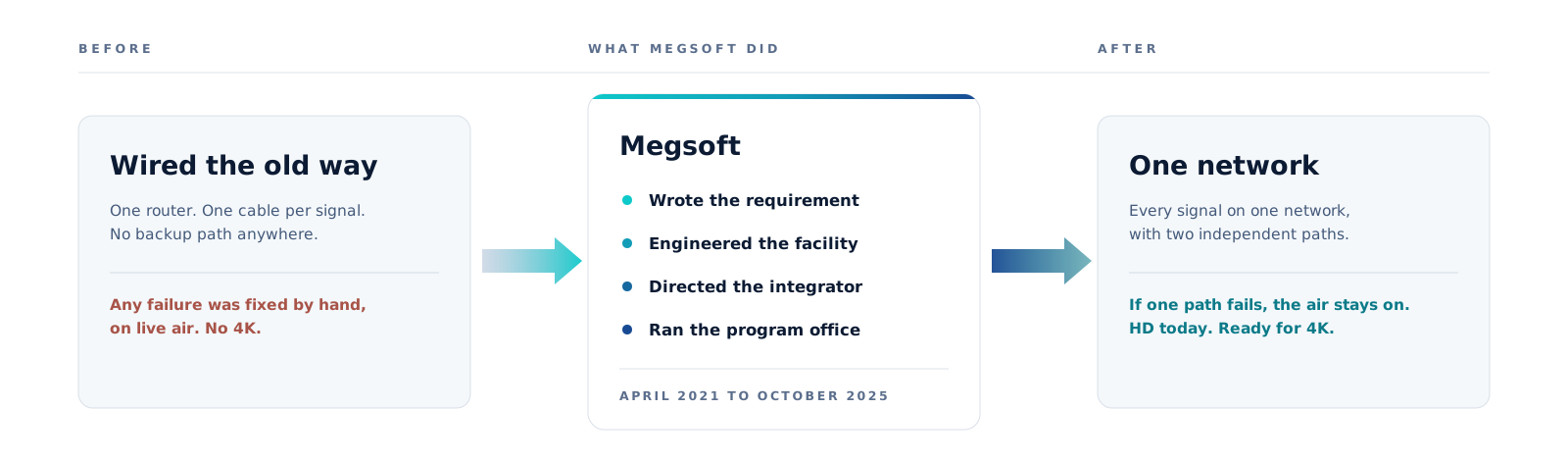
One router and one cable per signal carried everything the studio put on air. There was no backup path, so any failure was fixed by hand during live production. The picture was an older form of HD with no route to 4K, and consumer televisions served as monitors. For a public affairs operation that does not tolerate downtime, every live event carried that risk.
The challenge
The Department needed a new facility, and it could not stop broadcasting to get one. Every press conference and every address from the Secretary ran through a studio with no margin, and the mission does not pause for construction. The rebuild had to happen inside a building that stayed on air.
The problem was not the equipment. It was defining and replacing everything the signal runs on, inside an operation that could not stop.
No backup path
One cable carried each signal and one router carried them all. When anything failed, an operator fixed it by hand while the program was on air.
A ceiling on formats
The picture was an older form of HD. The studio could not produce 4K, and the Department needed both.
Never go dark
Press conferences, council meetings and Secretary addresses do not wait for construction. The rebuild had to fit around live production.
Nothing to compete against
A federal competition runs against a written requirement, and HHS did not yet have one. Bidders would price exactly what it said, and nothing it missed would be in the contract.
Before conditions are from the build integrator's public case study of April 2026. Contract facts are from the Federal Procurement Data System.
Approach and solution
Megsoft ran the program as a requirement to be held, not an equipment list to be bought.
The firm HHS chose twice
HHS awarded the program to Megsoft in April 2021 as an 8(a) sole source, with Megsoft as prime. In June 2022 it made a second award the same way. The Department never put that choice out to bid. Across the two awards, one accountable party carried the program for more than four years, through the build and the sign-off.
Begin with the requirement
Megsoft started where a federal program starts. It scoped what the studio had to do on air and the constraints of a building that could not go dark. That became the performance work statement, and Megsoft engineered the facility around it. When HHS competed the build in 2024, four companies priced that document, and Megsoft held the winner to it through sign-off.
Scope what HHS needs on air and the constraints of a building that cannot go dark.
Write the performance work statement and produce the drawings for the facility, eight domains from power to sound.
HHS competes the build against the requirement. Four companies bid, and $6.4 million is obligated to the winner.
Hold the integrator to the requirement through punch lists and sign-off, and confirm the finished system against it.
Solution highlights
One requirement, written first, then held through the competition, the build and the sign-off.
The requirement four companies priced
Megsoft wrote the performance work statement, answered bidder questions and supported HHS's evaluation of the offers. Everything bought later was bought against that document.
The facility, engineered before the build
Technical documents and drawings for the building itself, eight domains specified together: power and backup power, cooling, racks, consoles and furniture, displays, construction and sound.
One network, two paths
Every signal in all four spaces on one network, carried on two independent paths at once. A failure on one does not reach the air.
One program office, both awards
Numbered tasks and phases, meetings co-chaired with HHS and the integrator, deliverables tracked and risks identified. One accountable party, April 2021 to October 2025.
Technical direction of the build
Megsoft was HHS's technical liaison to the integrator: punch lists, training plans and the sign-off documents, each held to one test, whether the finished system met the requirement.
HHS keeps the final word
Megsoft confirmed the finished facility against the requirement. The Department accepted it. Acceptance stayed where it belongs, with the owner.
What stays on air
Two independent paths carry identical signals, so a failure on one does not take the program off air. The building received a proven system: about 60 percent was assembled, configured and tested off-site before it arrived. And before HHS signed, Megsoft confirmed the finished facility against the requirement it wrote.

Results
HHS traded a studio with no margin for one that stays on air when a part fails.
The measure of a facility program is not the equipment list. It is whether the facility stays on air, and whether it matches what the owner asked for. Every change below was competed against a requirement Megsoft wrote and confirmed at sign-off.
| What changed | Before | After | Why it changed |
|---|---|---|---|
| A failure on air | Fixed by hand, during live production | Two independent paths; a failure on one never reaches the air | Every signal is carried twice, on separate paths, at the same time |
| Signal routing | One router, one cable per signal | One network across all four spaces | Routing became a setting on the network instead of a cable in the wall |
| Picture format | An older form of HD, no 4K | HD today, 4K by configuration | The delivered facility carries that headroom, confirmed at sign-off, so the next format is a setting, not another build |
| Monitoring and intercom | Consumer televisions, ad hoc audio | Professional monitoring, LED video walls, one intercom across four spaces | Displays and sound were two of the eight domains in Megsoft's drawings |
| Installation risk | A building that could not go dark | About 60% proven off-site before arrival | What reached the building had already run, so installation became confirmation |
Before and after conditions are from the build integrator's public case study, April 2026. Contract dates, values and offer counts are from the Federal Procurement Data System, awards 75P00121C00024, 75P00122C00018 and 75P00124P00078. The $6.4 million is the obligated value on the build. HHS has published no measured outcome, and none is claimed here.
Challenges along the way and what's next
The hardest constraint was not the technology. It was a studio that could not go dark while it was replaced.
The obstacle and the fix
HHS could not pause its studio to rebuild it, and a failure during installation would have been a failure on air. So the risk was moved out of the building. About 60 percent of the system was brought up and tested away from the Humphrey Building. That included the network, the timing that keeps every signal in step, and each endpoint. What arrived had already run, and installation became confirmation rather than discovery. Megsoft tracked the plan through punch lists and confirmed the finished system before HHS signed.
What is next
HHS now has headroom built in: HD today, 4K by configuration, on its own schedule. Megsoft's federal work continues with a 2025 award from the Department of Defense Education Activity. The method is the one HHS bought twice: the requirement first, then the competition, then the confirmation.
What live operation are you about to replace without stopping it?
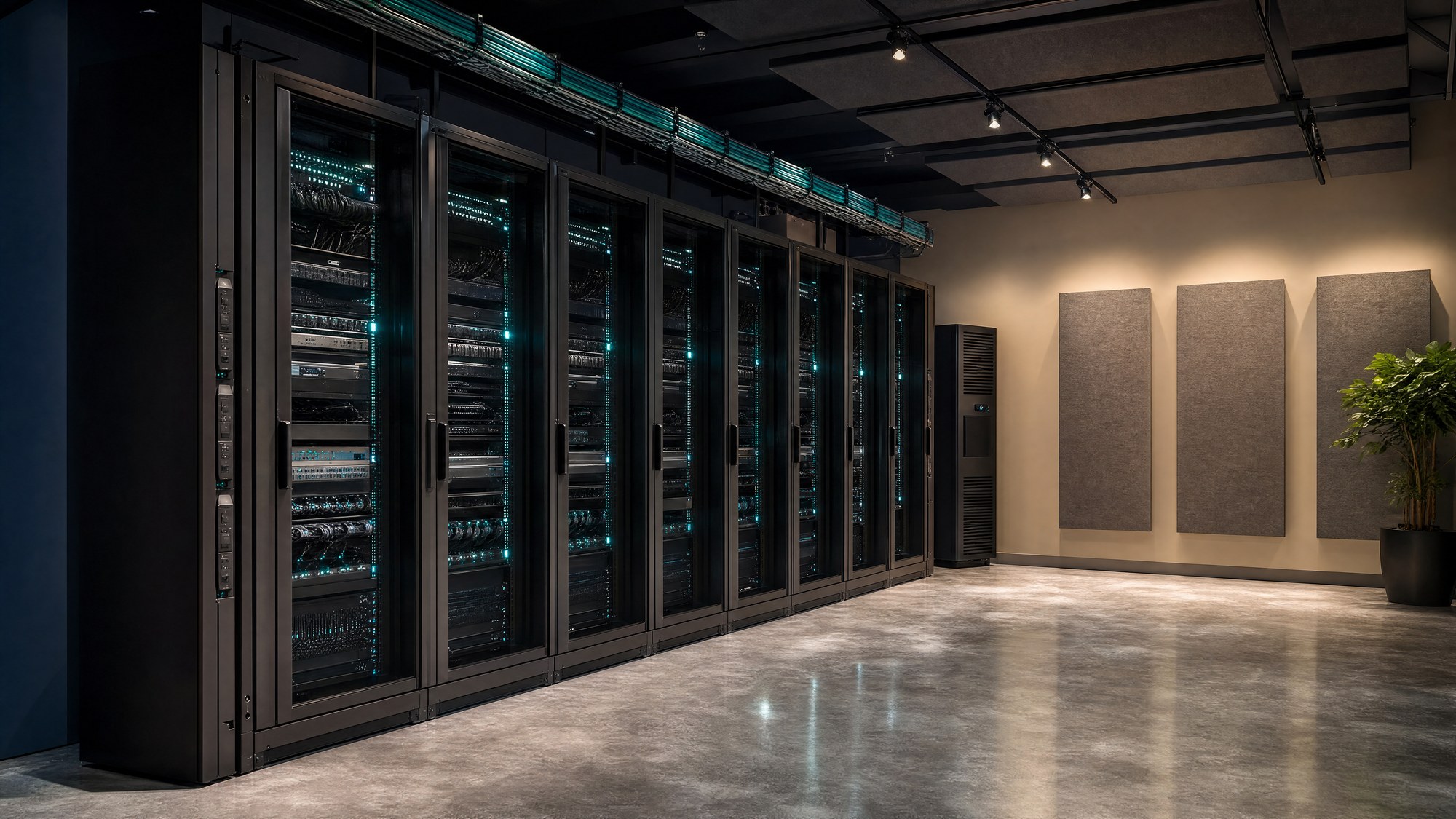
The HHS pattern applies wherever a facility the mission runs on has to be replaced while the mission keeps running. The risk is rarely the vendor. It is the requirement the vendor prices, and whether anyone holds the build to it after the award. Write the requirement first, engineer the facility around it, compete the build against it, and confirm what arrives before you sign.
Published September 17, 2026 · Photography on this page is illustrative of the class of facility. No images of the HHS facility were provided.